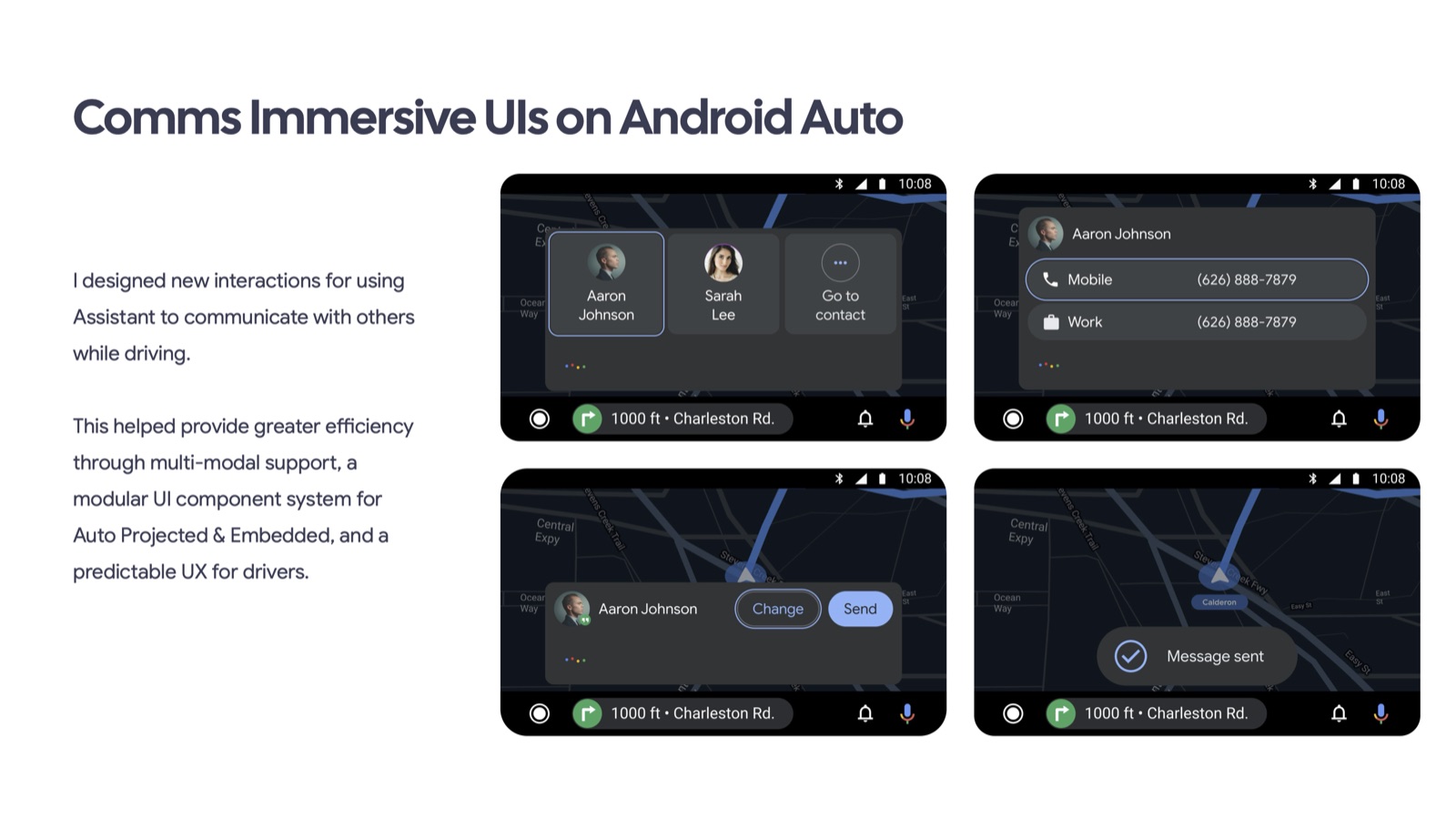
A driver glances at the head unit for a second, not a session. Comms had to work hands-free, on two different kinds of hardware, without ever competing with the map.
Android Auto ships in two real forms — a projected experience mirrored from the phone, and an embedded system built into the car (Google Automotive Services). Calling or messaging while driving is one of the highest-stakes Assistant moments: a driver can't read a contact list or type, and any confusion competes directly with attention that belongs on the road. On top of that, cars are a uniquely constrained environment — inconsistent connectivity, a physical rotary controller as well as touch and voice, right-hand-drive markets, and formal distraction guidelines the UI has to design against, not around.
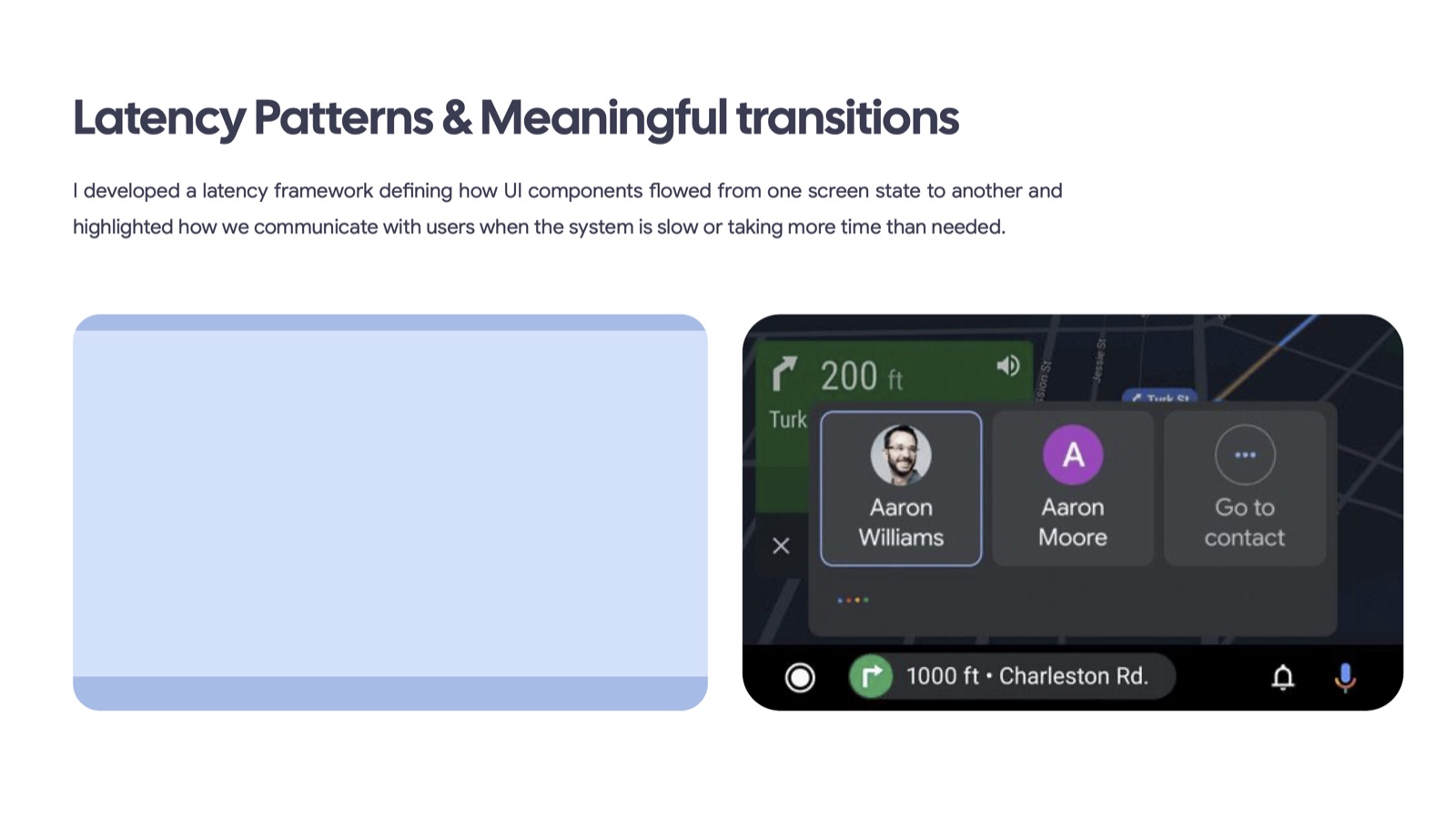
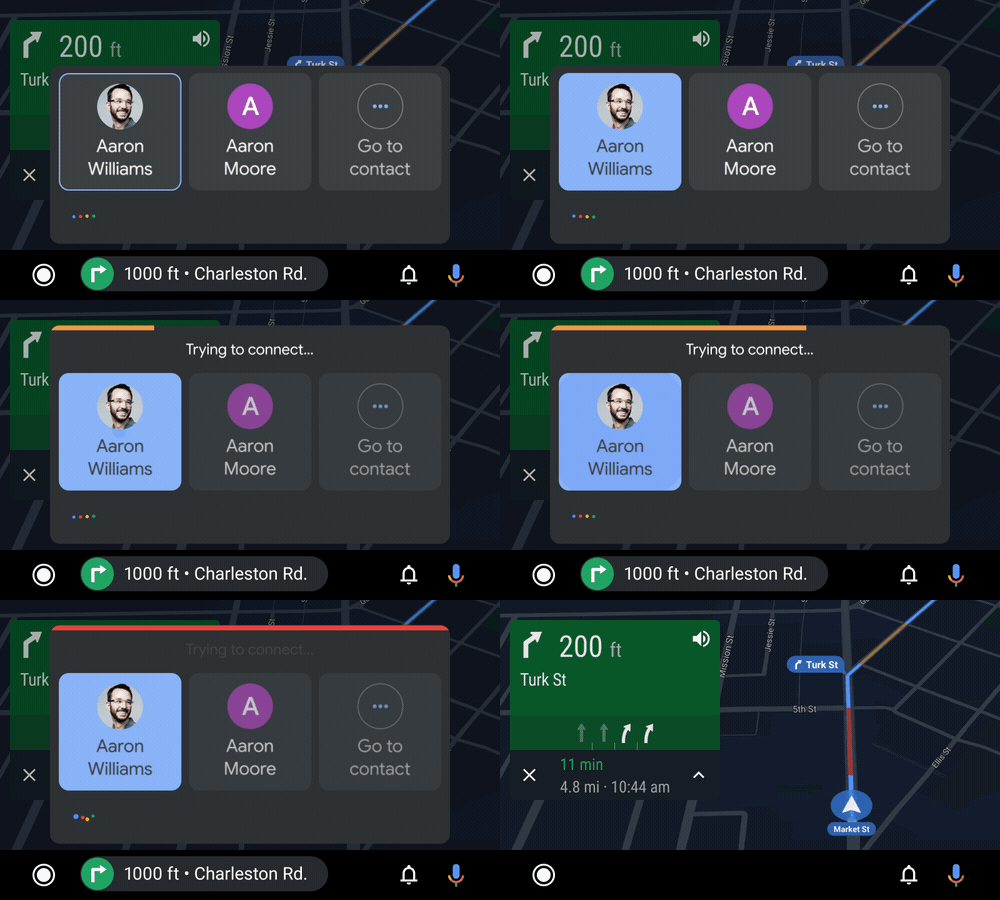
As part of my Comms UX Lead scope, I designed the modular UI component system — internally scoped across Spatial Model, UI Components, Invocation, Rotary Interaction, Distraction Guidelines, and Right-Hand-Drive/RTL support — and developed a latency framework covering both processing delay and limited connectivity, so a dropped signal reads the same way a slow response does: handled, not broken.
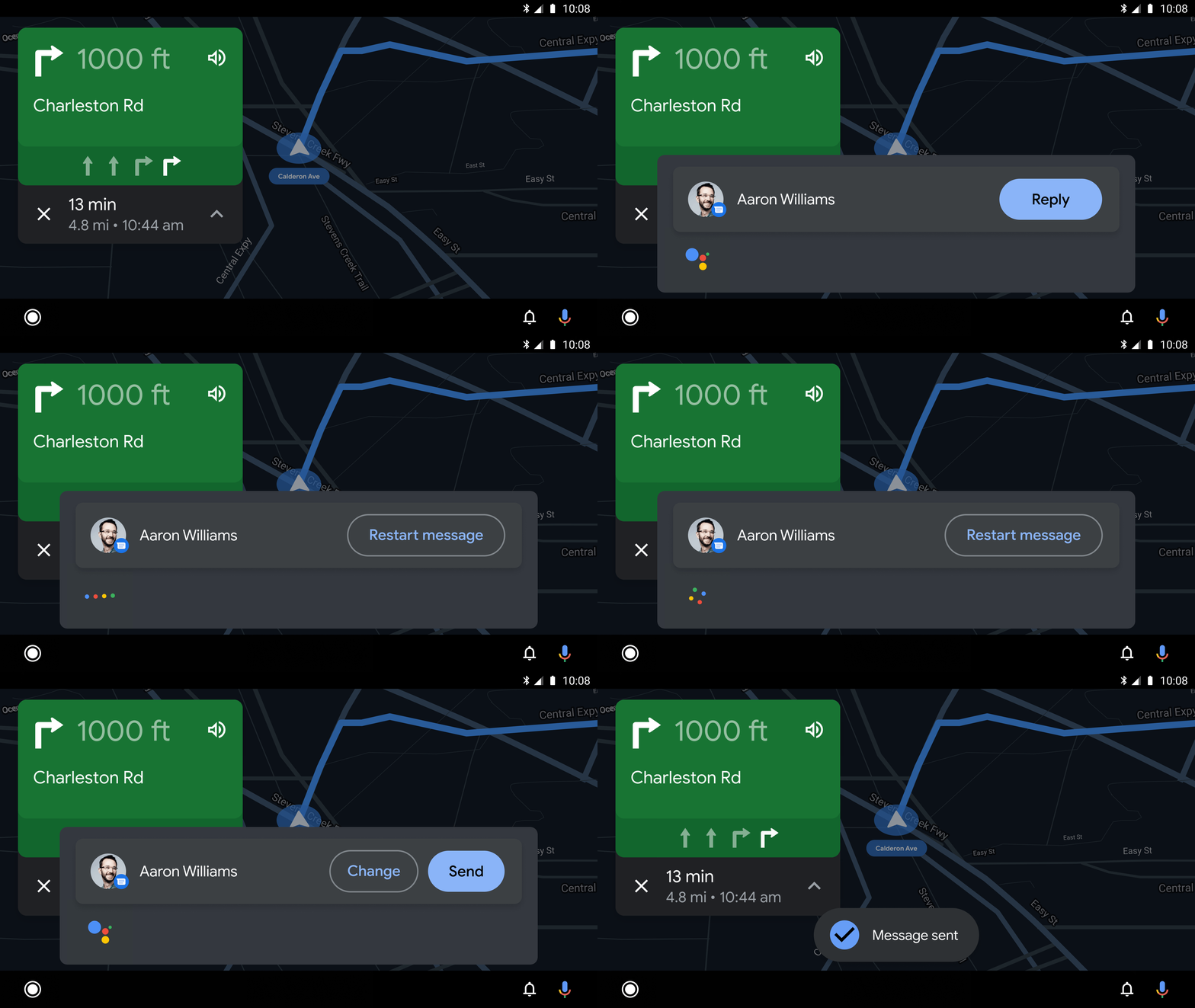
Content-aware Smart Replies supported easier responses, with fewer follow-on queries and dialog turns. The interaction and latency frameworks brought a consistent approach to communication in the car.